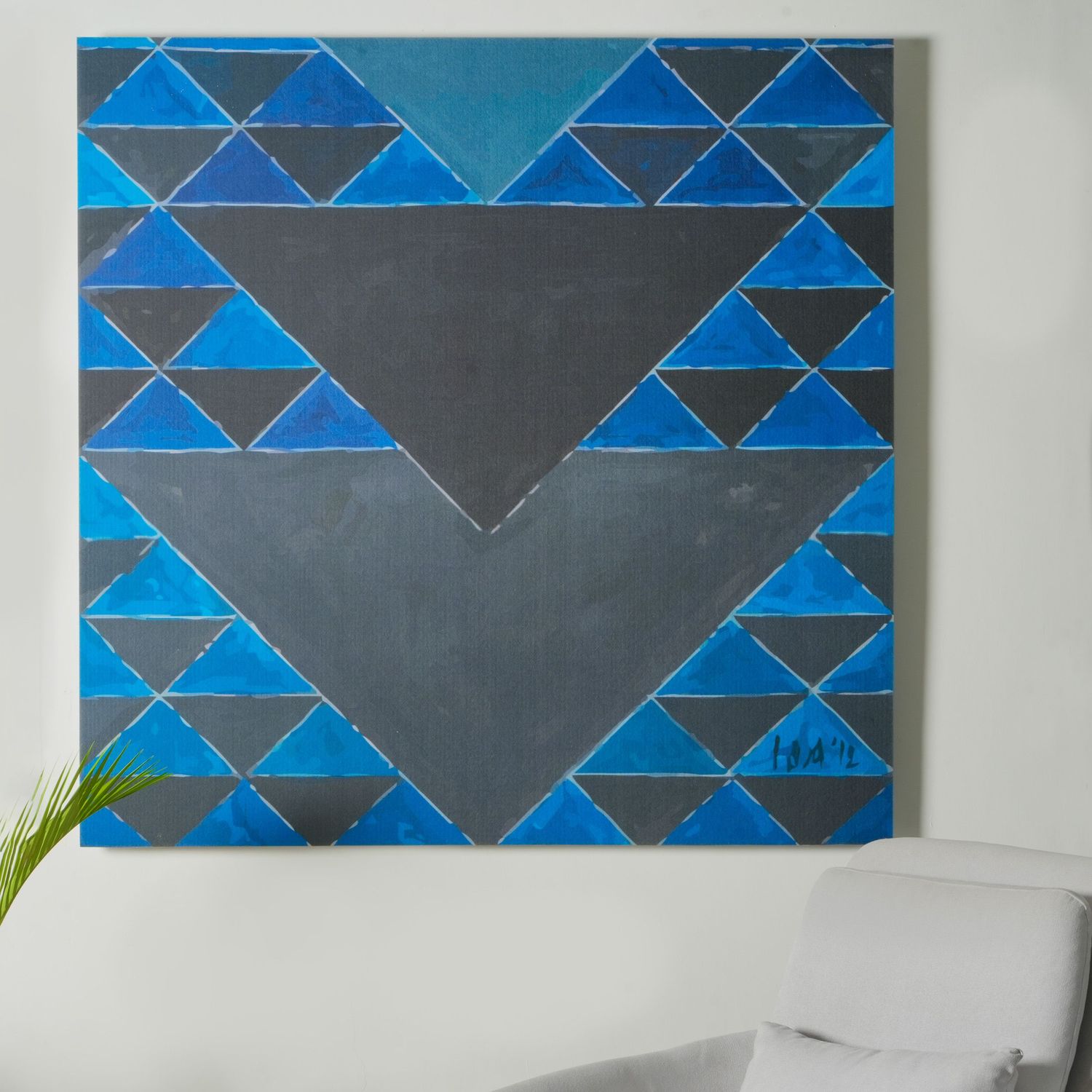
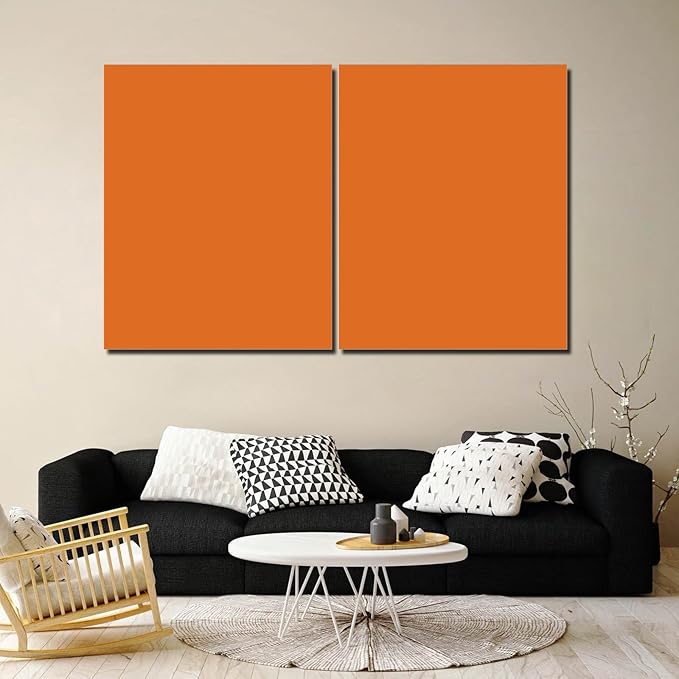
Acoustic Panels — Better Sound, Less Noise, More Comfort
Acoustic panels are not just about reducing noise. They’re about control. Control over echo, clarity, comfort, and how a room responds to sound. Whether you’re setting up a home office, media room, studio, or simply trying to make a living space quieter and more comfortable, acoustic panels and sound panels make a noticeable difference from day one.
Unlike basic wall décor or temporary fixes, acoustic sound panels are engineered to absorb sound waves, limit reflections, and create a balanced acoustic environment. The result is less noise fatigue, clearer speech, and a room that feels calmer and more intentional.
What Acoustic Sound Panels Actually Do
If you’ve ever raised your voice in a room just to be heard, that’s a clear sign sound treatment is needed. Acoustic panels absorb sound energy, reducing reflections that make spaces feel loud, hollow, or echoey. Unlike thick soundproofing panels that block sound between rooms, these panels focus on improving sound quality inside a space.
- Echo and noise reduction: Lowers ambient noise and reverberation.
- Clearer speech and music: Ideal for boardrooms, studios, classrooms, and home theaters.
- Better focus and comfort: Reduces distracting background noise in offices and shared spaces.
Acoustic panels are most effective at absorbing mid- to high-frequency sound waves—the ones that cause voices and music to bounce around a room.
How Acoustic & Sound Panels Improve Comfort, Focus, and Room Acoustics
The impact of acoustic panels goes beyond sound alone.
- Reduced Noise and Echo: Sound absorbing panels prevent sound waves from bouncing endlessly off hard surfaces, lowering overall noise levels and echo.
- Clearer Speech and Audio: By controlling reflections, acoustic sound panels improve speech intelligibility. This is especially important in meeting rooms, classrooms, bedrooms, and home theaters.
- Better Focus and Comfort: Excess noise drains energy. Noise insulation panels and acoustic wall solutions help create environments where people can focus, relax, or sleep more comfortably.
- Improved Room Aesthetics: Modern decorative acoustic panels add texture, warmth, and visual interest while solving acoustic issues at the same time.
Best Spaces to Use Acoustic Panels for Noise Control and Sound Clarity
Acoustic panels are useful anywhere sound quality matters.
- Home and Bedroom Use: Acoustic wall panels for bedrooms help reduce echo, soften noise, and create a quieter sleep environment, especially in apartments or homes with hard flooring.
- Offices and Workspaces: Open offices benefit from sound panels that reduce distractions and improve concentration without major construction.
- Studios and Media Rooms: Recording spaces rely on acoustic foam panels and sound dampening panels to achieve clean, controlled audio.
- Living Rooms and Shared Areas: Strategically placed acoustic panels for walls improve TV audio clarity and reduce noise spill in shared spaces.
How to Choose the Right Acoustic Panels
- Material Matters: Foam, fiberglass, fabric-wrapped cores, and composite boards all absorb sound differently. Higher-density materials typically offer broader frequency absorption.
- Thickness and Placement: Thicker panels absorb more sound, especially lower frequencies. Placement at reflection points and on large flat surfaces delivers the biggest improvement.
- Purpose of the Room: A bedroom needs different treatment than a studio or office. Matching the panel type to the room’s function ensures better results with fewer panels.
Why Acoustic Panels Are a Smart Long-Term Solution
Temporary fixes fade. Rugs, curtains, custom tapestry, and decorative pieces like wall arts or custom pillows help, but they’re not designed for consistent sound control. Acoustic panels, sound insulation panels for walls, and sound absorbing panels provide measurable, lasting improvement while fitting naturally into spaces styled with custom wallpaper, poster prints, acrylic prints, canvas prints, and other interior elements.
Acoustic Panels FAQs: Uses, Benefits, Installation, and Sound Control
Q1. What are acoustic panels used for?
Ans. Acoustic panels are used to absorb sound and reduce echo inside a room. They improve sound clarity, reduce noise buildup, and make spaces more comfortable for conversation, work, or entertainment. They are commonly installed as acoustic wall panels in bedrooms, offices, studios, and living areas.
Q2. Can acoustic panels improve home theater sound?
Ans. Yes. Sound panels, sound dampening panels, and acoustic foam panels help tighten audio, reduce echo, and create a more immersive viewing experience.
Q3. Do acoustic panels really reduce noise?
Ans. Yes. Sound absorbing panels and noise dampening panels reduce reflected sound, which lowers perceived noise levels. While they won’t completely block outside noise, they significantly reduce echo and harsh sound reflections.
Q4. Can acoustic wall panels be used in bedrooms?
Ans. Absolutely. Soundproof wall panels for bedroom use are popular for reducing echo, softening ambient noise, and creating a quieter, more restful environment. They’re especially helpful in apartments and homes with hard floors.
Q5. What is the difference between acoustic foam panels and board panels?
Ans. Acoustic foam panels are lightweight and effective for controlling echo in smaller rooms. Acoustic board panels are denser, more durable, and better suited for larger spaces or areas with continuous sound activity.
Q6. How many sound absorbing panels do I need?
Ans. That depends on room size, wall surfaces, and how the space is used. Most rooms see noticeable improvement by treating key reflection points with acoustic panels for walls, then adding more panels as needed for balanced sound control.
Q7. Are decorative acoustic panels effective?
Ans. Yes. Decorative acoustic panels combine visual appeal with real sound absorption. They’re designed to improve acoustics while blending naturally into modern interiors.
Q8. Where should acoustic panels be installed?
Ans. The most effective placement is on flat wall surfaces where sound reflects first. Common locations include behind seating areas, near speakers, and across large empty walls using acoustic sound panels or sound insulation panels for walls.
Q9. Do sound panels require professional installation?
Ans. Most acoustic wall panels are easy to install using basic mounting hardware or adhesive systems. No structural changes are usually required.